
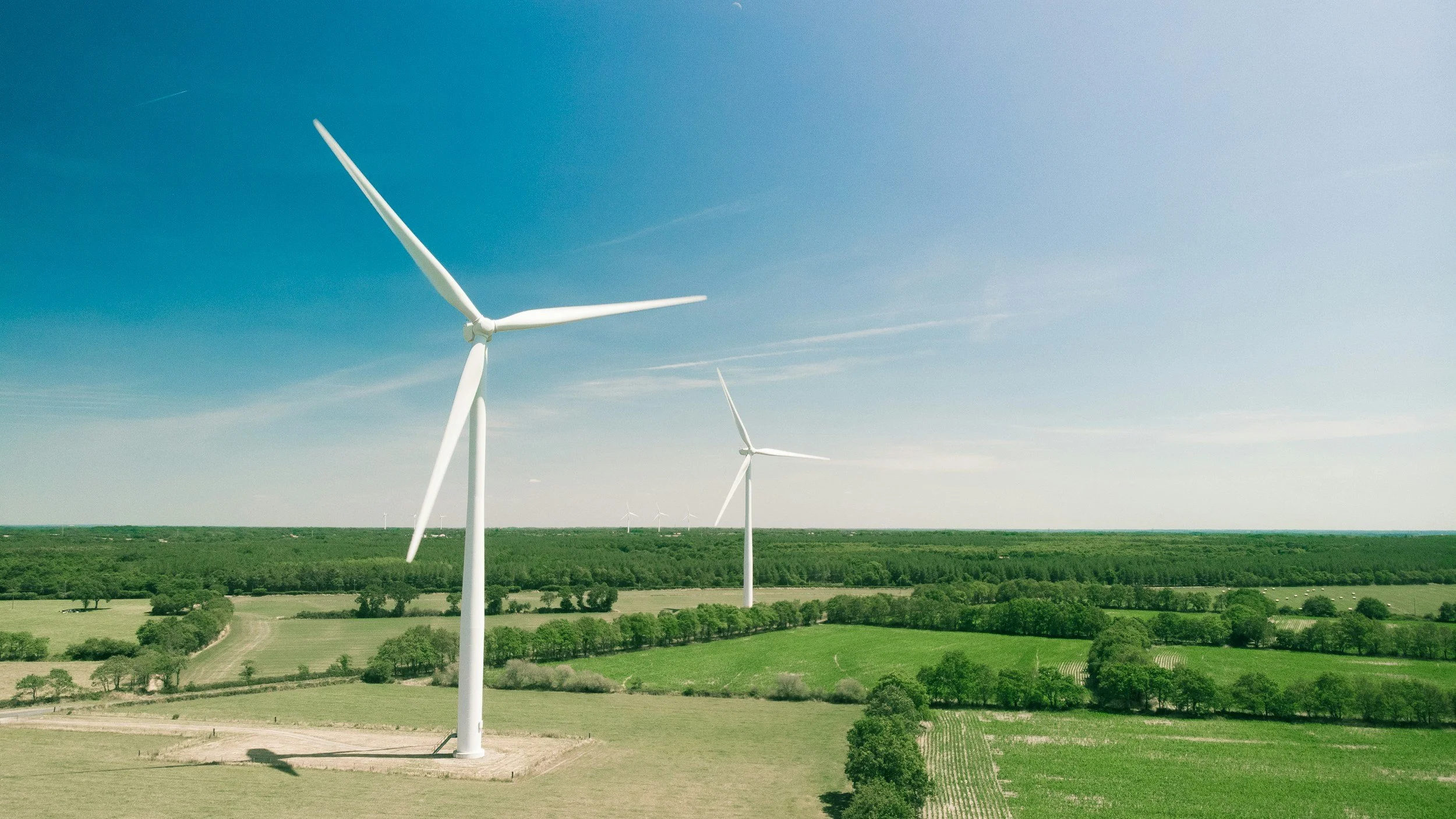
Energy Independence Bill 2026: delivering homegrown clean energy that Britain controls
The Energy Independence Bill sets out some of the framework needed to deliver the energy transition in the UK. Built Confidence explores what this could mean for organisations operating in the built environment.
Published on November 4 2026, the second reading of the Energy Independence Bill’s stated purpose is to support three overarching objecti
Deliver a fairer deal for consumers
Upgrade homes and empower communities
Deliver homegrown clean energy that Britain controls
In its Explanatory Note, the Bill is described as focusing on energy affordability, regulatory oversight, system resilience and the energy transition, with powers intended to support these objectives. In its accompanying factsheet, the Government frames the Bill primarily as a response to exposure to volatile fossil fuel markets, the need for greater energy security, consumer protection, the accelerated deployment of domestic clean-energy infrastructure and reduced reliance on imported fossil fuels.
Three key themes in the Bill:
Energy security: a key, recurring theme throughout the bill, which states ‘system security’ as one of its core objectives. Support for homegrown clean energy under British control is strengthened by reforms to electricity networks and infrastructure to secure a reliable electricity system, alongside new licensing arrangements for network services, which are seen as crucial to supporting a ‘stable and secure’ electricity system. The Bill continues Labour’s manifesto pledge to end new oil and gas licences, while allowing for use of existing licences and enabling further production in already explored areas through Transitional Energy Certificates.
Affordability: significant sections of the bill focus on energy bill support, including consumer protections, regulation of brokers and intermediaries, the Warm Homes Agency and energy efficiency initiatives such as insulation. The Bill supports the energy transition for households by extending smart-meter rollout measures and introducing new measures to ensure batteries have smart capabilities, giving households the ability to use and store electricity when it’s cheaper.
Clean power: the Bill contains measures to accelerate grid network infrastructure, reform power markets, explicitly support hydrogen-to-power (after deprioritising public spending on hydrogen in the Budget), and encourage flexibility, storage development and network expansion. The Bill provides legal footing for Ofgem to deliver Reformed National Pricing, aiming to utilise clean power more efficiently and reduce overall system costs.
Relevance for today’s clients
The energy transition is increasingly being driven by long-term market frameworks, regulatory reform and delivery capability rather than direct government funding. Organisations therefore need to be able to navigate policy change, build investable business cases, strengthen delivery models and demonstrate readiness to scale in a more complex and regulated environment.
For organisations operating in energy, infrastructure and the built environment, this creates both opportunity and complexity. Built Confidence helps clients turn ambition into action through strategic advisory, delivery planning, investment readiness, productivity improvement and independent assurance. In practical terms, this means helping clients turn energy transition ambitions into credible, investable and deliverable programmes, while reducing risk and improving confidence in delivery.
Planning a major investment, entering a new market, developing an energy transition strategy or looking to improve delivery performance? Get in touch with Built Confidence to build the confidence, clarity and capability needed to succeed.